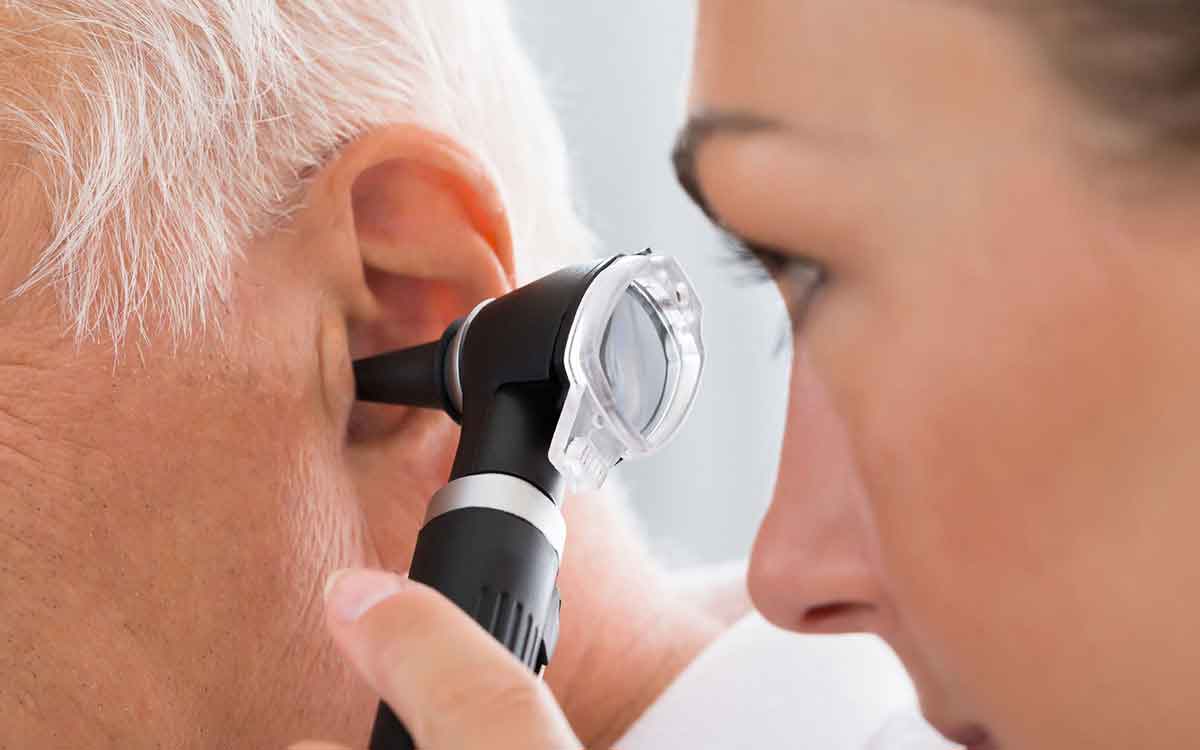
Because hearing loss typically advances slowly, early signs frequently go unrecognized by the individual. Subconscious adjustments, such as turning up the television or asking for clarification, often mask the early progression of hearing loss.
Yet, the early recognition of hearing loss signs is key for protecting your hearing.
Common Symptoms of Early Hearing Loss
If you notice any of the following symptoms, it is advisable to schedule a professional evaluation.
- Difficulty understanding conversations, particularly in loud areas with a lot of activity.
- A regular need of requesting clarification during conversation.
- Hearing muffled or slurred speech where words appear to merge.
- Requiring higher volume levels for electronic devices beyond the comfort of family members.
- Trouble hearing higher-pitched sounds, including children’s voices, birds, or electronic alerts.
- The occurrence of tinnitus, characterized by ringing or buzzing in the ears.
- Feeling cognitively fatigued after conversations, resulting from increased efforts to hear better.
- Withdrawing from social events as conversations feel overwhelming.
These early signs of hearing loss can affect one or both ears and may come and go at first. As a result of rapid neural adaptation, many patients remain unaware of their subconscious adaptations until the deficit is significant.
Auditory Health: Current Statistics and Projections
The World Health Organization reports that hearing rehabilitation requirements will impact 700 million people by 2050. Other significant statistics involve:
- By 2050, nearly 2.5 billion people are expected to have various levels of hearing loss.
- More than five percent of the global community (roughly 430 million people) requires rehabilitation to manage disabling hearing loss.
- More than 1 billion younger individuals are at risk of permanent hearing loss caused by unsafe listening practices.
- Among those over the age of sixty, over 25% have clinically significant hearing loss.
The Value of Early Hearing Loss Detection
If left unaddressed, hearing loss can influence multiple dimensions of your health outside of auditory function.
Studies have identified a connection between untreated hearing loss and an increased likelihood of cognitive decline and diminished balance.
Early intervention provides better long-term prognosis and diverse therapeutic options.
Audiological testing differentiates between age-related decline, earwax blockage, or underlying infections.
In some cases, hearing changes are temporary and treatable.
Conversely, timely adoption of hearing aid technology or preventative measures may mitigate further decline.
Indications for a Professional Hearing Evaluation
A professional screening is warranted under the following circumstances:
- Auditory symptoms remain present for more than several weeks.
- Auditory challenges interfere with work, relationships, or daily activities.
- If you encounter acute auditory decline, dizziness, or chronic ear ringing (which requires immediate attention).
Audiological evaluations are noninvasive procedures, yielding essential information into your physiological hearing status.
We encourage you to reach out to our clinic if you believe a hearing screening would be advantageous.
Common Questions About Early-Stage Hearing Loss
Question: Does hearing loss only occur with aging?
A: No. While age-related hearing loss is common, hearing changes can also result from noise exposure, medications, infections, genetics, or underlying medical conditions.
Question: Is it possible to restore lost hearing?
A: In specific instances involving earwax or infection, hearing may be restored. Permanent sensorineural hearing loss is typically managed using advanced hearing devices and management protocols.
Question: What is the recommended frequency for hearing screenings?
A: Adults should have a baseline hearing test by age 50, or earlier if symptoms or risk factors are present.
