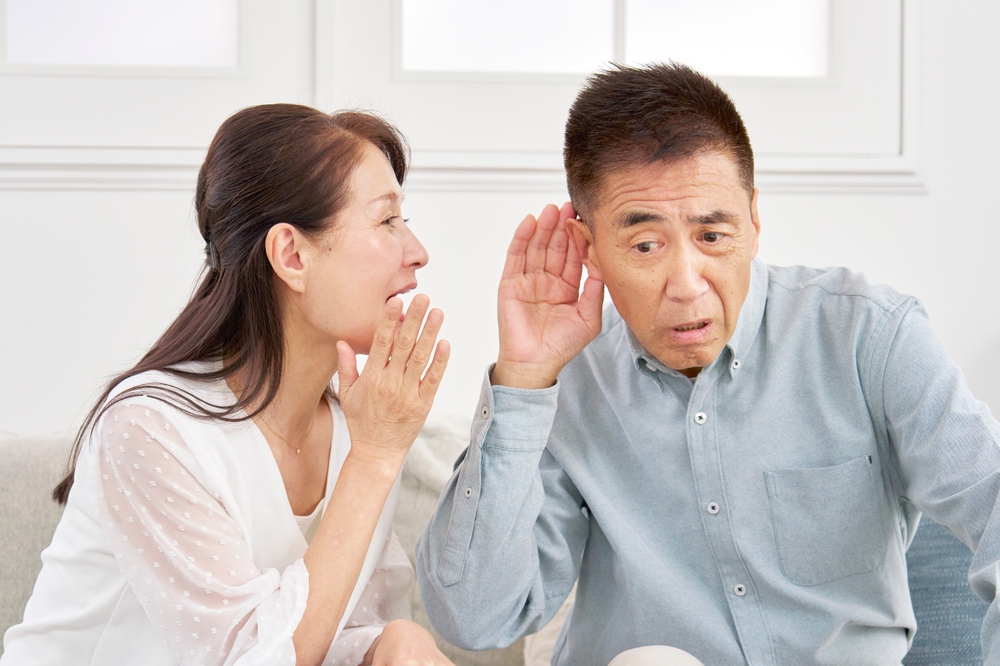
Prevalent myths regarding hearing loss frequently act as a barrier to necessary audiological treatment. Proactive management of hearing loss ensures the best possible outcomes for auditory preservation. Subscribing to auditory misinformation can hinder treatment timelines and compromise social connectivity.
If you have concerns about your hearing, knowing the truth (and the myths!) can help you make informed decisions about your health and proceed with greater confidence. Let’s take a closer look at seven hearing loss myths that deserve to be clarified, along with the truths that put them in their place.
1. Myth: Only Older Adults Have Hearing Loss
Though presbycusis is a standard clinical finding, hearing loss impacts every biological demographic. Noise exposure, genetics, infections, certain medications, and underlying medical conditions can all contribute to hearing problems in younger adults and even children.
Assuming hearing loss is only an “aging issue” can prevent people from recognizing early symptoms and seeking appropriate care.
2. Myth: If I Can Hear, I Don’t Have Hearing Loss
Hearing loss doesn’t have to mean complete deafness. Individuals with moderate deficits may hear volume but lack the clarity required for word discrimination. Between perfect hearing and total hearing loss is a wide spectrum of hearing challenges.
Early symptoms frequently manifest as “cocktail party effect” struggles or a need for constant clarification from speakers. Failing to address these subtle changes can lead to long-term communicative difficulties.
Hearing Impairment: More Than a Social Nuisance
The impact of aural decline reaches into the cognitive and emotional well-being of the patient. Research has linked unmanaged hearing loss to social withdrawal, increased stress, cognitive strain, and even a higher risk of depression.
Seeking early treatment safeguards your social connections and your long-term neurological function.
Do Hearing Aids Damage Your Natural Hearing?
There is no clinical evidence to suggest that proper use of hearing aids speeds up auditory decline.
Hearing aids do not damage your ears. Modern tech calibrates sound output to match the specific “gaps” found in your clinical hearing test. By stimulating the auditory nerve, these devices help prevent the “unlearning” of speech sounds in the brain.
Myth Five: The Aesthetic Stigma Fallacy
Recent innovations in hearing science have prioritized both power and miniaturization. Modern hardware has reached a peak of efficiency, offering discrete aesthetics with high-fidelity sound. Many hearing aids are nearly invisible when worn and can be customized to fit comfortably inside or behind the ear.
These devices provide high-tech solutions like automatic environment sensing and hands-free calling functionality.
6. Myth: If My Hearing Loss Is Mild, I Don’t Need Treatment
Even mild hearing loss can impact communication and daily life. Early treatment helps prevent listening fatigue and reduces the strain placed on the brain during conversations.
Early clinical action ensures that the brain’s auditory processing centers remain sharp and functional.
Why OTC Devices Often Fall Short of Clinical Needs
Generic OTC amplifiers lack the sophisticated frequency shaping required for complex hearing loss profiles. A professional hearing evaluation ensures that treatment is tailored to your individual needs.
Custom-fit solutions provide a level of acoustic fidelity that generic devices simply cannot match.
Your Path to Clarity: Rejecting Common Hearing Fallacies
Auditory shifts can be daunting, leading many to avoid the clinic through a “denial” response. Relying on misinformation ensures that your auditory challenges will become more difficult to manage. You’ll find that a hearing screening is a comfortable and highly enlightening clinical experience.
If you’ve noticed changes in your hearing (even subtle ones), a professional assessment is an important first step. Early intervention can improve not only communication, but also overall quality of life.
Our practice is dedicated to your auditory wellness; reach out to us for a comprehensive review. Our team is available for appointments: Call us today to protect your hearing.
