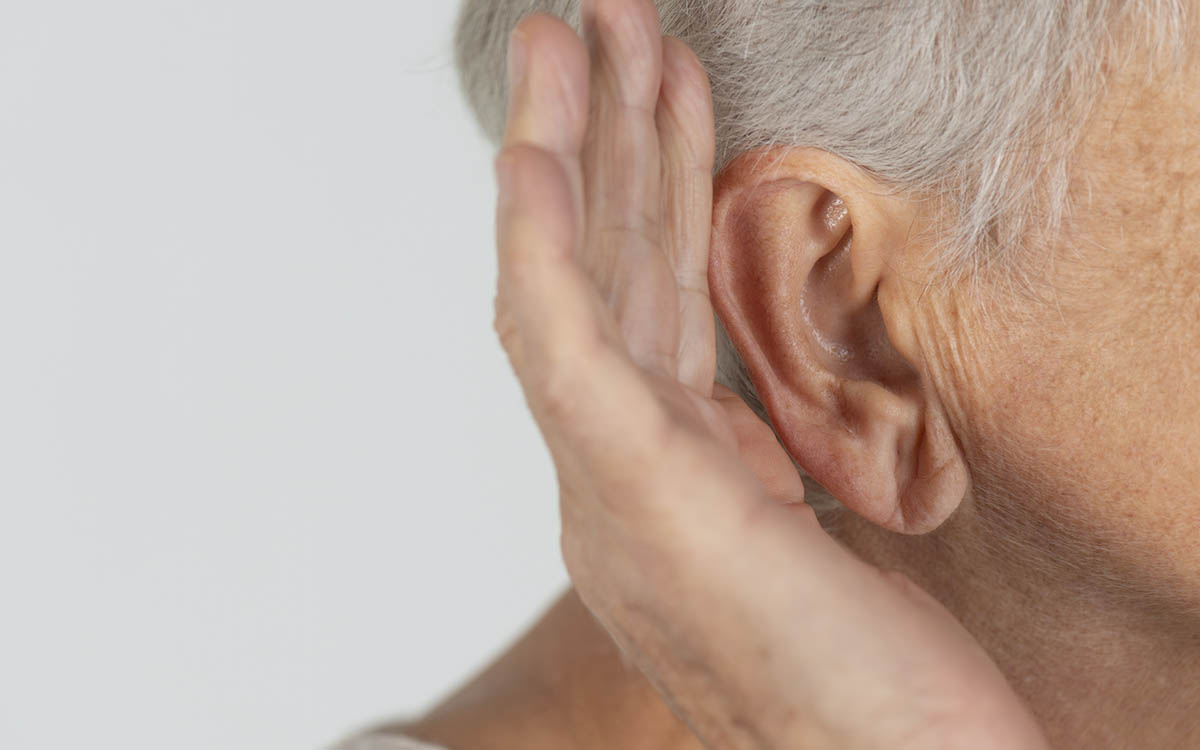
Most people associate hearing loss to the aging process, however, for millions in the U.S., auditory trauma initiates much earlier in life. Among the most frequent and preventable categories of auditory damage, noise-induced hearing loss frequently develops incrementally, but it often occurs gradually and goes unnoticed until the effects are permanent.
Understanding how noise exposure impacts your ears over time facilitates proactive protection prior to the onset of clinical hearing loss.
Defining Sound-Triggered Hearing Loss: A Pathophysiological Analysis
Noise-induced hearing loss is characterized by the degradation of intricate inner ear components. Data from the CDC indicate that, sustained or frequent exposure to sounds exceeding 85 decibels, such as heavy traffic, can initiate auditory damage. Louder sounds, like those from concerts, power tools, or firearms, can cause damage in minutes or even seconds.
The inner ear contains microscopic sensory receptors known as hair cells. The function of these cells is to transduce mechanical vibrations into neural impulses for cerebral processing. Following injury, these hair cells lack the biological capacity to regenerate, which renders noise-related hearing loss an irreversible condition.
Analyzing the Advancement of Ear Damage
One of the most concerning aspects of noise-induced hearing loss is that it often develops slowly. Initial signs of auditory overexposure may present as:
- Occasional instances of Tinnitus, characterized by ringing or buzzing sounds
- A feeling of muffled hearing after loud events
- Reduced ability to distinguish vocal communication in loud surroundings
While these preliminary indicators may dissipate, this should not be mistaken for complete physiological recovery. In fact, chronic noise exposure causes ongoing trauma to inner-ear anatomy, steadily eroding hearing precision.
Statistics from the HLAA suggest that 48 million Americans have some form of hearing loss, frequently with unidentified etiology.
Common Acoustic Triggers contributing to Auditory Trauma
Modern society is characterized by high ambient noise, which frequently leads to a lack of awareness regarding sound intensity. Due to this, the commonality of injurious sound exposure often goes unrecognized.
Typical noise-generating sources consist of:
- Venues featuring high-decibel live music
- The use of headphones at unsafe volume settings
- Industrial tools, lawn maintenance equipment, and motorcycles
- Professional exposure to high-volume noise in manufacturing and labor industries
Because these sounds are often part of daily life, damage can accumulate without clear warning signs.
Implementing Proactive Care in Clinical Hearing Management
In contrast to certain medical conditions, noise-induced hearing loss is characterized by its permanent nature. Nevertheless, it remains a highly avoidable pathology. Risk reduction can be achieved through fundamental protective habits, including:
- The application of earplugs or attenuation earmuffs in loud areas
- Modulating audio output levels and observing 60/60 rule constraints
- Incorporating auditory rest periods to allow for physiological recovery
- Arranging for routine Audiology assessments if noise exposure is frequent
Clinical Indicators for Requesting Professional Care
If you notice persistent ear ringing, difficulty following conversations, or changes in hearing clarity, you should seek evaluation from a hearing professional. Prompt clinical evaluation is vital for tracking auditory status and formulating effective hearing preservation plans.
Protecting your ears today helps ensure clearer hearing tomorrow. While environmental noise is often inevitable, hearing loss is a preventable outcome. Contact our team today to schedule a consultation and make sure you’re hearing your best.
