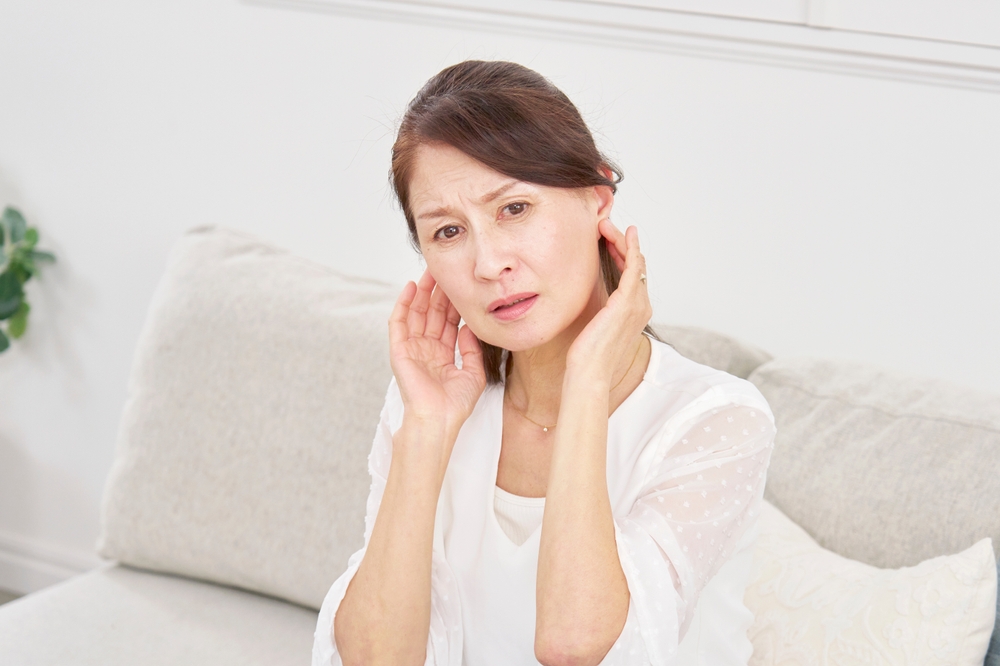
Waking up one morning and realizing you have lost your hearing is a frightening experience for anyone. The experience of dropping auditory function instantly, especially in the lack of pain, is inherently distressing. While simple blockages are common, more critical auditory conditions demand a swift medical assessment.
Analyzing the standard reasons behind sudden deafness and knowing when to seek for help is critical for your prognosis. Throughout this guide, we break down the nature of abrupt hearing loss, its potential origins, and the criteria for professional consultation.
The Clinical Definition of Sudden Hearing Changes
We define sudden hearing loss as a distinct drop in hearing sensitivity spanning several hours to a maximum of three days. While most patients experience this in one ear, it can sometimes manifest in both simultaneously. Individual experiences vary from clouded hearing and tinnitus to a distinct sense of congestion or vocal distortion.
Sudden Sensorineural Hearing Loss (SSHL)
Sudden sensorineural hearing loss is a critical causes to evaluate.
The condition is caused by physical damage affecting the cochlea, hearing nerve, or neural pathways. The source is frequently idiopathic, though medical professionals identify several probable contributing elements:
- Decreased vascular supply to the delicate inner ear structures
- Swelling or immune response
- Infection-based auditory damage
- Neurological factors
Because the window for successful treatment is so narrow, SSHL is handled as an urgent crisis where early care dictates the outcome.
Viruses and Inner Ear Health
Pathogenic activity often leads to inflammation in the auditory canal, resulting in significant auditory changes.
Common viral triggers tied to sudden hearing impairment are:
- Common upper respiratory viruses
- The seasonal flu virus
- Viral strains within the zoster group
- Secondary hearing effects after a COVID-19 infection
Abrupt deafness can coincide with viral symptoms, often appearing with dizziness or a feeling of fullness.
Impact and Auditory Trauma
A blow to the head, sudden pressure changes, or loud noise exposure can damage delicate structures inside the ear.
Common drivers of trauma-induced hearing loss involve:
- Head injuries or concussions
- Rapid pressure changes such as barotrauma
- Exposure to extremely loud sounds
- Fluid leaks or shifts inside the labyrinth
Minor impacts can still compromise auditory function, particularly if shifts manifest immediately following the event.
Impacted Cerumen and Hearing Blockage
While not a medical emergency like nerve damage, impacted wax is a frequent cause of sudden auditory dullness.
When wax is the main cause, the hearing change may:
- Occur nearly immediately
- Present as a steady internal pressure
- Be more pronounced on the left or right
- Resolve once the blockage is safely removed
Importantly, it’s not always easy to tell at home whether hearing loss is due to wax or something more serious. Therefore, seeking a professional clinical opinion is the best course of action.
Other Possible Causes of Sudden Hearing Loss
The following conditions are also recognized as potential sources of sudden hearing decline:
- Adverse effects from certain pharmaceuticals
- Vascular irregularities in the hearing system
- Systemic autoimmune attacks on the inner ear
- Acoustic neuromas or related rare tumors
Undergoing a full hearing workup is the only way to accurately identify or dismiss these factors.
Sudden Hearing Loss: Why Early Treatment Is Key
The most important messages around sudden hearing loss is don’t wait and see.
Seeking a swift clinical assessment allows you to:
- Determine if the hearing loss is clinically reversible
- Increase the likelihood that treatment will restore hearing
- Protect against lasting damage to the hearing nerve
- Limit long-term communication challenges
Audiology testing plays a key role in determining the type and severity of hearing loss and guiding next steps.
When to Seek Immediate Help for Sudden Hearing Loss
It is imperative to consult a professional instantly if you notice the following:
- A rapid drop in hearing sensitivity in one or both sides
- Hearing impairment coinciding with physical instability
- Buzzing or pressure that appears suddenly
- Auditory decline after illness or injury
Partial recovery of audition does not eliminate the need for a thorough clinical investigation.
Utilizing Diagnostics for Fast Hearing Results
Modern testing quickly identifies the exact category of the loss, such as:
- Related to mechanical blockages or conductive barriers
- Nerve-based or related to inner ear damage
- A reversible shift or a lasting auditory decline
The sooner testing occurs, the more likely you are to achieve a positive medical outcome.
Final Thoughts on Addressing Abrupt Hearing Loss
It is normal to feel alarmed by sudden deafness, but immediate professional help offers the best chance for success.
Choosing to get evaluated immediately after a change in hearing ensures you are taking the right steps for your health. Our expert staff is ready to assist you: Please contact our clinic immediately for an emergency assessment.
