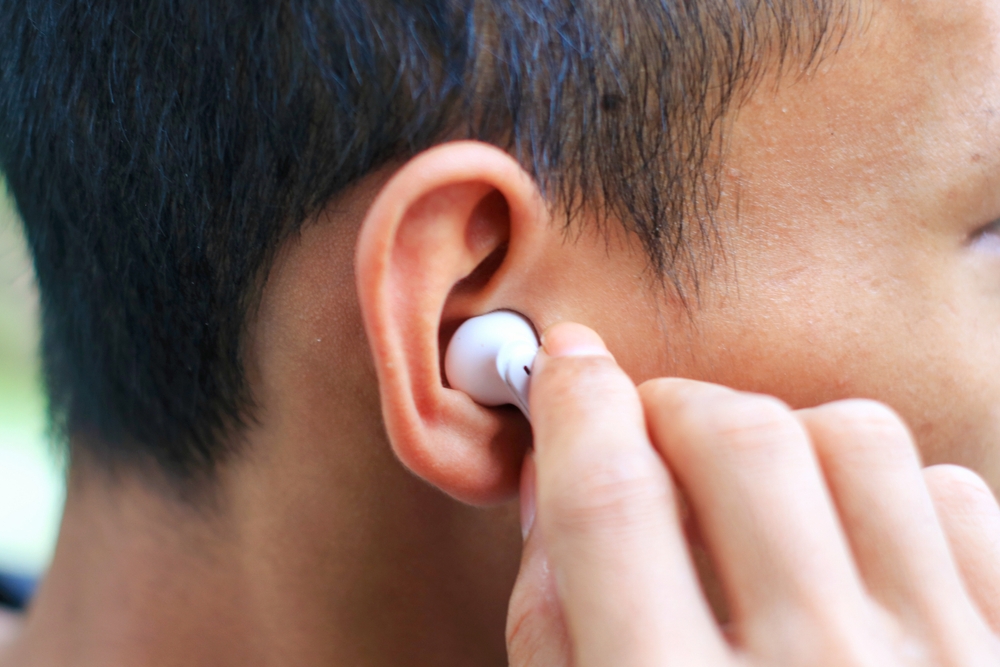
We seldom encounter a teenager or young adult who isn’t currently using a personal audio device. While traditional headphones are more substantial in size, adolescents frequently utilize them to create a private acoustic environment. We all enjoy listening to music, no matter our age, but younger people rely on music to pass the time. Does the immediate physical closeness of these transducers to our ears result in measurable hearing loss? It’s not the device itself, but how we use it.
The Biological Threshold of Auditory Exposure
Acoustic stimuli can act as a sedative, an emotional balm, or a powerful stimulant depending on the tempo. Much depends on the rhythm and volume of the content being consumed. Utilizing personal audio devices is considered a social courtesy, allowing for private enjoyment in communal spaces. Most individuals view this as a positive etiquette, especially within the confined spaces of a bus or train.
From an audiological perspective, we must define the specific thresholds for safe volume and exposure duration. It is well-established that loud noise, regardless of the source, can compromise your long-term hearing sensitivity. If you maintain a high volume for a long period, you risk destroying the hair cells in your inner ear. Hearing loss occurs gradually, so by the time you realize what’s happening, it may be too late.
The Key Dangers of Headphones and Earbuds
The intensity of the decibels is the leading risk factor for permanent auditory trauma. Yet, we must remember that the length of time spent listening is equally important as the decibel level.
- According to the NIH, maintaining a threshold below 70 dB ensures safety, even during extended listening periods.
- There is a direct correlation between increased sound pressure and the speed of hearing degradation.
- Follow the 60/60 rule. Keep the volume under 60%, and avoid using them longer than 60 minutes at a time.
- You can safeguard your auditory health by reducing device intensity and monitoring your cumulative daily usage.
Warning Signs of Hearing Loss
If you notice muffled speech, struggle with background noise, experience **tinnitus**, or constantly require others to speak up, a professional evaluation is necessary.
Schedule an appointment with our specialists if you believe your auditory health has been compromised.
