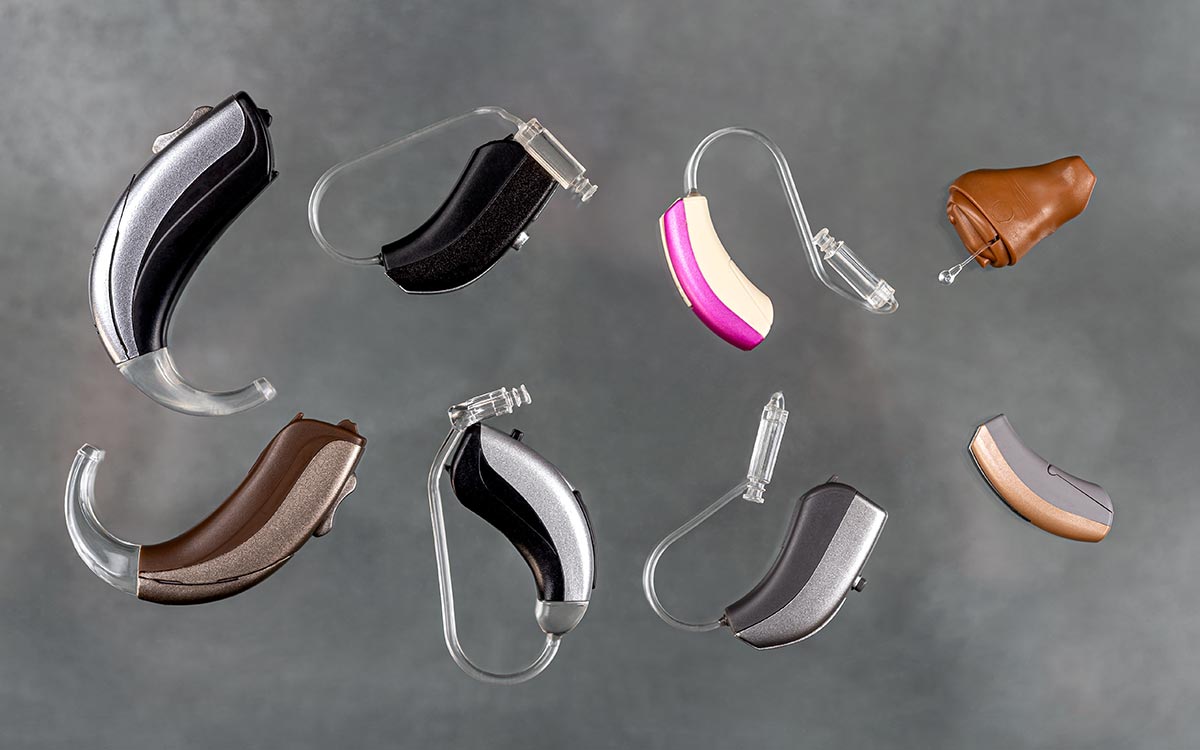
The sheer volume of hearing aid designs and technology levels on the market today can make the selection process feel complicated. Fortunately, there is a perfect hearing solution for every person, regardless of their lifestyle or the severity of their hearing loss. The key is simply identifying the one that fits you best.
By learning about the differences between various hearing aid models, you can move forward with greater confidence and knowledge. This guide explores the most popular styles and highlights the specific advantages each one offers.
ITC (In-the-Canal) Hearing Solutions
The Definition:
ITC models are custom-fitted to sit within the ear canal, though a small part of the shell remains visible in the ear’s outer portion.
Common Advantages:
- Provides an understated appearance compared to traditional styles
- Individualized molding ensures long-term wearing comfort
- Suitable for mild to moderate hearing loss
These devices are commonly suggested for beginners due to their effective mix of subtle design and user-friendly functions.
Ultra-Discreet IIC Devices
How they function:
These are the tiniest custom-made units on the market today. They sit deep inside the ear canal and are virtually invisible when worn.
User Benefits:
- Maximum aesthetic discretion
- Provides realistic audio because of where the device sits
- So light and small that users frequently forget they are wearing them
The small form size of IIC models makes them perfect for mild hearing loss and anyone who values an invisible hearing solution.
ITE (In-the-Ear) Model Summary
What they represent:
ITE hearing aids fill either the entire outer ear (full-shell) or the lower portion (half-shell). The shell is uniquely formed to the specific contours of your individual ear.
Why users favor this style:
- The increased surface area offers space for extra functionality and extended power
- Provides an easier process for those who struggle with tiny accessories
- Effective for a wide range of hearing impairments, ranging from mild to severe
Users often choose these units for their straightforward, single-piece construction that avoids any external wiring or tubing.
Exploring BTE (Behind-the-Ear) Designs
Technical Detail:
A BTE hearing aid is worn outside the ear for an optimal fit. Audio travels through a dedicated tubing or custom-fit mold into the ear opening.
Key Advantages:
- Highly flexible and durable
- Can be set to help users with everything from mild to profound loss
- Provide space for advanced features and rechargeable batteries
For those who prioritize a reliable device that is easy to manage and provides plenty of volume, BTE is an excellent choice.
Receiver-in-Canal (RIC) Hearing Aids
Mechanical Arrangement:
RIC hearing aids appear comparable to BTE models, but the speaker (receiver) sits inside the ear canal rather than inside the device behind the ear.
Market Appeal:
- Provides a remarkably crisp and lifelike listening experience
- Users appreciate the slim profile and comfortable fit for all-day use
- An adaptable choice that works for various degrees of auditory needs
The combination of style and high-end functionality renders RIC models a top choice in the modern market.
Extended-Wear Device Details
What they represent:
A hearing specialist inserts these specialized hearing aids deep into the canal, where they stay for multiple weeks.
The Appeal:
- Provides an effortless experience with no daily maintenance required
- Sitting low in the ear makes them completely hidden from view
- Engineering allows them to remain in the ear during all facets of daily life
For an autonomous method of hearing assistance, extended-wear technology is the top recommendation.
Bluetooth-Enabled Hearing Aids
Tech Specs:
These are modern units equipped with radio technology to sync with your personal electronics and televisions.
Modern Perks:
- Enjoy immediate sound streaming from your phone or TV right into your ears
- Gives you the power to fine-tune your volume and programs via an electronic app
- Improved convenience for modern lifestyles
Bluetooth options are available across many styles, including RIC, BTE, and some ITC models.
Alternative Surgical Solutions
What they represent:
This technology requires an operative procedure to place a device that physically stimulates the bones of the middle ear.
Why people pick them:
- Provides a solution for patients with anatomy that prevents the use of conventional aids
- Solves the issue of ear discomfort caused by regular hearing aids
These devices need a thorough medical review by a hearing, nose, and throat expert.
Selecting Your Ideal Hearing Solution
There is no one single “best” hearing aid; rather, there is a best one for you, determined by your medical needs and personal comfort. A hearing care professional can lead you through your choices, answer questions, and help you experience how different devices look and feel.
If you’re ready to investigate the possibilities, schedule an auditory evaluation today. It is the most significant step you can make toward an increasingly vibrant and confident life.
Sources:
https://www.mayoclinic.org/diseases-conditions/hearing-loss/in-depth/hearing-aids/art-
20044116
https://www.hearinglife.com/hearing-aids/types
https://www.nidcd.nih.gov/health/hearing-aids
