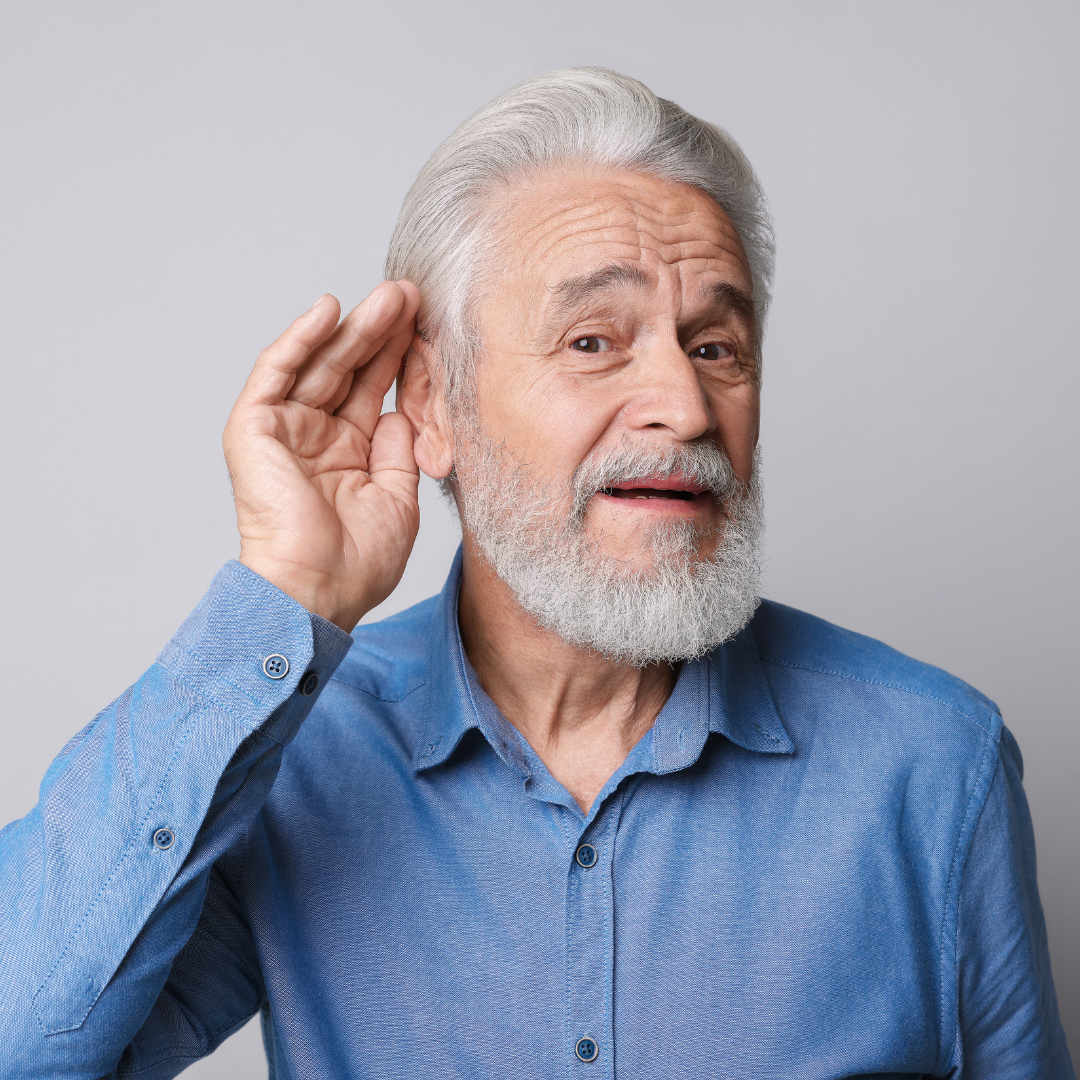
An abrupt decrease in unilateral hearing acuity can feel alarming, often leaving individuals uncertain about what action to take. We provide immediate hearing assessments and coordinate urgent medical intervention when an acute auditory decline occurs. Rapid-onset sudden hearing loss mandates swift clinical attention from an audiologist or physician to explore prompt treatment or auditory rehabilitation.
Why Sudden Unilateral Hearing Loss Is a Clinical Emergency
Yes, it is. Experiencing sudden hearing loss on one side constitutes a clinical emergency, especially when the drop happens over hours or a couple of days. Often designated as sudden deafness, sudden sensorineural hearing loss reflects damage to the inner ear cochlea or the acoustic nerve. The condition typically develops painlessly, leading many patients to confuse it with sinus congestion, fluid, or a plugged ear canal.
Key presenting symptoms include:
- A sudden degradation of hearing volume or clarity affecting a single ear
- Noticing that phone conversations sound faint, muffled, or absent on one side
- An acoustic pop or distinct feeling of canal fullness heralding the auditory change
- Newly acquired tinnitus presenting as high-pitched ringing, clicking, or roaring in that ear
- Balance disturbances, postural unsteadiness, or acute vestibular vertigo
Never postpone clinical evaluation while waiting to see if hearing improves on its own. Reach out immediately to our audiology office, an urgent care facility, or an otolaryngologist for same-day evaluation.
Why Should You See a Doctor Immediately for Sudden Hearing Loss in One Ear?
Rapid diagnostic assessment matters tremendously because medical management of sudden sensorineural hearing loss is most effective during the initial window. We first differentiate whether the condition represents a conductive loss from cerumen or fluid, or a true sensorineural loss involving the inner ear or vestibulocochlear nerve. Even though conductive blockages and neural losses present with similar symptoms, they demand radically distinct medical protocols.
Performing physical otoscopy alongside a diagnostic hearing test confirms the exact classification, frequency configuration, and decibel severity of the hearing loss.
Obtain urgent emergency medical evaluation without delay if sudden hearing loss is accompanied by:
- Sudden facial droop, hemi-facial paresis, or sensory numbness
- Speech slurring, expressive language difficulty, mental confusion, or an acute severe headache
- Bilateral double vision, syncopal collapse, or an inability to maintain normal walking gait
- Chest pain or other signs of a medical crisis
These red-flag manifestations often signify a life-threatening neurological or cerebrovascular crisis requiring emergency hospital care rather than an outpatient visit.
What Triggers Sudden Deafness in a Single Ear?
For the vast majority of patients with sudden sensorineural hearing loss, the exact etiology remains idiopathic. If an underlying cause is identified, it typically entails tissue inflammation, physical injury, microcirculatory failure, autoimmune disease, or specific cochlear nerve disorders.
Documented causes of this condition include:
- Viral or bacterial infections
- Blunt head trauma, concussive injury, or acute acoustic trauma
- Systemic autoimmune disease or autoimmune inner ear disease (AIED)
- Administration of potentially ototoxic pharmaceutical agents
- Cochlear ischemia resulting from vascular occlusion or microcirculatory failure
- Structural inner ear diseases, notably symptomatic Ménière’s disease
- Neurodegenerative or demyelinating disorders such as multiple sclerosis
- A benign retrocochlear growth, such as an acoustic neuroma on the auditory nerve
Because presenting symptoms cannot reliably differentiate these underlying etiologies, immediate otologic examination and audiologic testing are imperative.
Evidence-Based Therapies for Sudden Sensorineural Hearing Loss
High-dose corticosteroids serve as the primary first-line medical therapy when sudden sensorineural hearing loss presents without an identifiable cause. Corticosteroids can be ingested orally or injected through the eardrum into the middle ear cavity, allowing medication to permeate the round window membrane. Clinical treatment pathways are determined by our specialists based upon presentation timing, loss magnitude, underlying health status, active prescriptions, and risk factors.
Corticosteroids are generally deployed within the initial two-week therapeutic window, and beginning as early as safely permitted is essential. Intratympanic steroid injections may also be recommended as salvage treatment when recovery is incomplete. For qualifying clinical cases, an ENT physician may evaluate hyperbaric oxygen therapy (HBOT) administered concurrently with high-dose steroids.
Will Sudden Hearing Loss in One Ear Resolve Without Medical Treatment?
Sudden sensorineural hearing loss can, in some circumstances, improve spontaneously without medical therapy. About half of affected people regain some or all of their hearing spontaneously, often within the first one to two weeks. Still, there is no clinical way to predict at symptom onset who will experience spontaneous recovery, how much hearing will be regained, or whether stability will persist.
Hoping for spontaneous recovery does not justify waiting or postponing clinical intervention. Initiating treatment several weeks following symptom onset drastically reduces the probability of reversing permanent damage, effectively shutting a vital clinical window. Hearing recovery spans a spectrum ranging from complete resolution to partial restoration or minimal gains.
Rehabilitation Options for Treatment-Resistant Sudden Hearing Loss
If auditory recovery is incomplete following treatment, clinical planning depends on remaining hearing levels, single-ear speech understanding, and comprehensive diagnostic imaging. Our clinicians frequently recommend diagnostic MRI imaging or specialized auditory brainstem response testing to evaluate the hearing nerve and surrounding anatomy.
Advanced long-term management strategies feature:
- Fitting a traditional hearing aid whenever the affected ear possesses aidable hearing capacity
- Utilizing a CROS hearing aid system designed to stream acoustic signals from the impaired ear to the normal-hearing ear
- Bone-conduction hearing implants or transcutaneous bone processors for suitable clinical patients
- Clinical cochlear implantation for candidates meeting criteria for profound unilateral deafness
- Remote microphones and assistive listening tools configured for complex occupational, educational, or personal environments
Audiologic rehabilitation can also address listening fatigue, sound localization, and communication difficulties. Selecting the optimal management path relies upon comprehensive audiometric outcomes, vocational needs, medical profile, and personal priorities.
Request a Same-Day Hearing Evaluation
If your hearing changed suddenly today or within the past few days, seek same-day medical guidance rather than waiting for a routine visit. We can perform diagnostic hearing testing, compare both ears, review when the change began, and coordinate with an ear, nose, and throat physician or another medical provider when necessary.
Connect with our clinical office right away to arrange an urgent hearing assessment.
